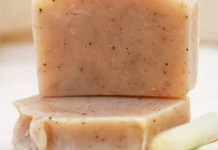
Rebatch Soap Making
Rebatching, also known as hand-milling soap, rebatch soap is the process of shredding and processing soap with heat until it reaches a molten, homogeneous state. We place the soap into the mold, cool, unmold, and slice up. After a proper cure time, this process renders a long-lasting natural soap. We enjoy it working with melt and pour soap shred, melts, makes inclusions, and mold.

Rebatching soap is a great way of reducing waste and converting valuable natural fats and oils into an important product, even when the soap has been used imperfectly or insecurely. Rebatching soap is a simple process of fixing a failed batch. Anyone who makes a lot of natural homemade soap has a failed batch, eventually.
Rebatching is taking soap that has been made and giving it a new life by grating it, melting it, and then adding any extra additives, colors, and scents you want. Think of it as a soap do-over. Though, some may refer to it. It is not the same as milled soap found in stores. Yes, it’s grated and reprocessed, but not as much as the hard milled bars.
There are two main reasons to Rebatch:
1. To fix a batch of soap, you’ve made an error.
2. Using a sensitive or temperamental ingredient that does not last, reacts badly, or has lye solutions problems.
To make Rebatch process soap, you’ll need:
1. Cold process soap
2. The liquid is around 9 oz. Per lb. Of soap; if your soap is fresh, then you’ll need less or even none
3. Large hole grater
4. Double boiler, Crockpot, or microwave.
Pros and Cons of Rebatching Soap Making
Pros
The Scents, additives, and colors are put in the soap after the oils have entirely reacted with the lye. They’re added after most of the saponification process is done–hence the chemicals aren’t affected by the harsh lye.

Rebatching allows you to use ingredients like:
1. Delicate or Light fragrances.
2. Fragrances or essential oil-prone to seizing
3. Colors that are extremely PH sensitive.
4. Additives that are affected and turned brown by the lye.
5. Additives of the gel stage will melt.
6. The bars have a rustic appearance with a less easy texture than a cold process. Whether you prefer this look is a preference.
7. Simple to clean up.
Cons
1. The soap is completely fine. However, the aesthetics of it are less desired than soap poured only once.
2. The soap never completely remelts ends up being a kind of solid, opaque mass of soap you have to squish into the molds somewhat than pour.
3. It is difficult to get smooth corners or tops when air bubbles get trapped in the bars.
4. The soap eventually ends up being truly a rustic or primitive look.
5. If your fragrance or natural essential oil has a low flash point, some soap makers find the temperature of rebatching soap can melt away the perfume, leading it to fade.
6. Swirls are hard to achieve due to the thick texture, and layering is a timing game with rebatch soap.
Whichever method you select, you may make great soap. Work and carefully follow the instructions closely, to start with patiently. Once you’re familiar with the basic steps, you’ll have the ability to let your creative inspirations flow and make many great soaps.